
Choose a Moisturizer for Dry, Sensitive Skin Over 70
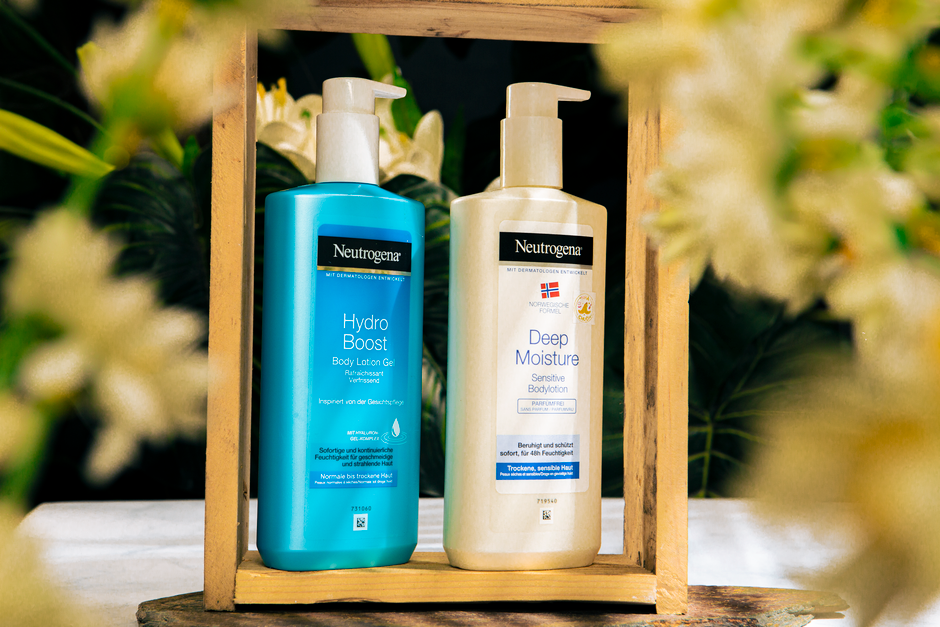
For facial skin over 70, start with a fragrance-free cream containing glycerin or hyaluronic acid, then move to a petrolatum-based ointment when dryness is severe. Apply it to damp skin after washing, keep the rest of the routine gentle, and treat retinoids as a potential source of dryness rather than an automatic essential.
The apparent paradox is that a more elaborate anti-aging routine can make an older face look and feel worse. The National Institute on Aging explains that the outer layer of skin becomes thinner, paler, and less elastic with age, while sweat and oil production can decrease. The practical consequence is simple: barrier support deserves priority over accumulating actives.
What is the best face cream for someone over 70?
The best face cream for someone over 70 is a fragrance-free cream with a moisture-binding ingredient such as glycerin or hyaluronic acid, chosen for regular dryness; if the skin is very dry, an ointment is the better tool. The American Academy of Dermatology specifically identifies glycerin, hyaluronic acid, and lanolin as helpful moisturizing ingredients and recommends a creamy, fragrance-free moisturizer for dry skin.
Do not let packaging do the reasoning. “Unscented” is not equivalent to fragrance-free: the AAD warns that unscented products can contain odor-masking chemicals that irritate dry, sensitive skin. For this skin type, fragrance-free is a selection criterion, not a marketing preference.
Use the cream within three minutes of bathing or washing, while the skin is still damp. Keep bathing to 5 to 10 minutes with warm rather than hot water, as the AAD advises. This is not a ceremonial detail. A leave-on moisturizer applied after water exposure addresses the conditions under which older skin loses water most readily.
Which ingredients should a moisturizer for mature skin contain?
A moisturizer for mature skin should contain a humectant, an occlusive, or both: glycerin draws and retains water, while petrolatum reduces water loss. DermNet defines the working categories precisely: humectants attract and retain water in the stratum corneum, emollients soften and smooth skin, and occlusives reduce evaporative water loss.
Ingredient labels become easier to read once those jobs are separated. Glycerin and hyaluronic acid fit the moisture-binding side of the formula. Petrolatum, mineral oil, dimethicone, and petroleum jelly fit the water-sealing side. Lanolin and shea butter appear in the AAD's list of useful dry-skin ingredients. Squalane is often discussed in product marketing, but the provided sources do not publish specific guidance on its role, effectiveness, or irritation risk; it should not decide the purchase on this evidence alone.
The best-supported pairing is glycerin plus petrolatum. In a randomized, double-blind crossover study of 51 healthy volunteers with dry skin, a glycerol-and-petrolatum emollient reduced transepidermal water loss and increased measured skin hydration compared with relevant controls. The authors' conclusion was direct: petrolatum improved barrier function through reduced water loss, while glycerol improved hydration. See the published study record on PubMed.
Avoid treating every useful ingredient as universally gentle. DermNet notes that urea and acidic preparations can sting on scratched, fissured, or dermatitic skin, and sensitized people can develop preservative-related allergic contact dermatitis. For dry, reactive facial skin, a shorter formula with a clear function is often easier to evaluate than a crowded formula with many promises.
| Option | Who it suits | Published cost | Key limitation |
|---|---|---|---|
| Fragrance-free cream with glycerin or hyaluronic acid | Regular dry skin; broad facial application | Not published | May be insufficient when skin feels very dry |
| Petrolatum-based ointment | Very dry skin needing stronger water retention | Not published | Greasy, highly occlusive texture |
| Lotion | Mild dryness | Not published | Less effective than cream or ointment for dry skin |
| Face oil | Not published | Not published | The provided sources do not compare face oils with creams or ointments |
Should older adults use a rich cream, face oil, or ointment for dry skin?
Older adults with dry skin should use a rich cream for routine dryness and an ointment for very dry skin; the provided evidence does not establish face oil as an equivalent substitute. The AAD states that ointments and creams add more moisture and are more effective than lotions, and its guidance for skin in the 60s and 70s is even more explicit: ointment holds water in the skin better than cream when dryness is severe.
This is a texture decision with a physiological basis, not a contest of luxury. DermNet describes ointments as the most occlusive option, creams as lighter products suitable for broad application, and lotions as products typically used for mild dryness. If the face is merely tight after washing, begin with cream. If it remains rough, scaly, or repeatedly dry despite cream, the logic supports an ointment, particularly on the driest areas.
Build the routine around that decision: a gentle, fragrance-free cleanser; one chosen moisturizer; and sunscreen outdoors. The AAD recommends broad-spectrum, water-resistant SPF 30 or higher, while the National Institute on Aging recommends broad-spectrum SPF 15 or higher applied 15 to 30 minutes before going outside and reapplied at least every two hours. These sources differ on the threshold, but both support daily sun protection as part of care for aging skin; following the higher AAD threshold satisfies both recommendations.
Retinoids require a separate judgment. DermNet lists dry skin, peeling, erythema, retinoid dermatitis, and irritant contact dermatitis as possible adverse effects, and notes that topical retinoids can worsen eczema because of their drying effect. Long-term tretinoin use for more than six months has reported photoaging benefits, but the bargain is not free. When a routine is already struggling with dryness, introduce no additional active until the basic cleanser-moisturizer-sunscreen system is tolerable.
The selection rule is therefore narrow: choose the least irritating formula that provides enough occlusion for the degree of dryness, then use it consistently on damp skin. More products do not create a stronger barrier. The right product, applied at the right moment, does.
Frequently Asked Questions
Can retinol make thin mature skin drier or irritated?
Yes. DermNet lists dry skin, peeling, erythema, retinoid dermatitis, and irritant contact dermatitis among topical retinoid adverse effects, and says retinoids can worsen eczema because of their drying effect. If a retinoid is part of your routine, regular moisturizer and daytime sunscreen are part of the same system, not optional additions.
What face cream is best for sensitive aging skin?
A fragrance-free cream with glycerin or hyaluronic acid is a sound starting point for sensitive aging skin. The American Academy of Dermatology advises fragrance-free products for dry, sensitive skin and notes that “unscented” products can still include odor-masking chemicals that irritate skin.
How can I keep makeup from settling into dry, crepey skin?
Prepare the skin first: use a gentle cleanser, apply a fragrance-free moisturizer while skin is damp, and allow the moisturizer to form the base of the routine. The source material does not publish makeup-application techniques, but it does establish that leave-on moisturizer works best immediately after bathing and that cream or ointment is more effective than lotion for dry skin.
Sources
- American Academy of Dermatology: Skin care in your 60s and 70s
- National Institute on Aging: Skin Care and Aging
- American Academy of Dermatology: Dermatologists' tips for relieving dry skin
- DermNet: Emollients and moisturisers
- PubMed: Randomized double-blind glycerol and petrolatum study
- DermNet: Topical retinoids